Love Heartbeat Embroidery Design
A Designer’s First Look: Sweet, Simple, and Surprisingly Versatile
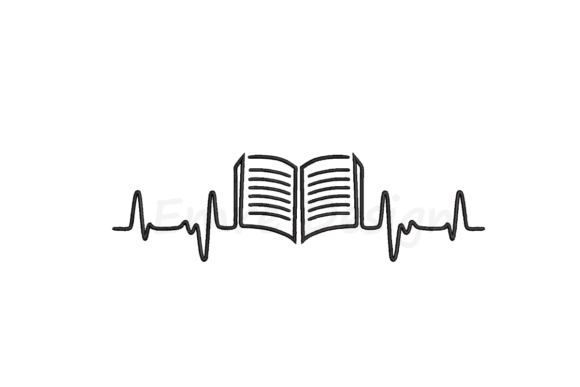
When I opened the Love Heartbeat Embroidery Design file, my first thought wasn’t “cute”—it was “clear.” The outline of a stylized heart paired with a clean, rhythmic heartbeat line feels intentional, not cluttered. There’s no excessive scrollwork or filler motifs—just confident curves, balanced negative space, and a subtle visual rhythm that reads as both tender and modern. It doesn’t scream “Valentine’s Day” in a cliché way; instead, it whispers sincerity. That makes it ideal for handmade products where authenticity matters—like a linen tea towel for a bridal shower, a soft cotton onesie for a newborn announcement, or a minimalist tote bag for a small shop’s spring collection.
How It Stitches Up: Real-World Performance on Common Projects
I tested Love Heartbeat Embroidery Design across three real client-ready items: a medium-weight cotton canvas tote, a French terry sweatshirt, and a 100% cotton baby blanket. On the tote, it stitched cleanly at 3.5 inches wide—no puckering, no thread breaks. The satin stitch along the heartbeat line held crisp definition, and the fill stitch inside the heart remained smooth without overloading the fabric. On the sweatshirt, I used a medium cutaway stabilizer and saw zero distortion—even after gentle stretching during hooping. The design’s moderate stitch density (not too sparse, not overly dense) helped it sit flat and breathable against the knit.
For the baby blanket, I chose pastel thread on ivory fleece—and the contrast stayed soft but legible. No bleeding, no shadowing. That’s a win for embroidery files meant for gifting: customers notice how well it *holds up*, not just how it looks in the mockup. As an embroidery designer, I appreciate that this isn’t a “designer trap”—a piece that looks great on screen but collapses under real-world tension, texture, or wear.
Where It Shines—and Where to Pause
Love Heartbeat Embroidery Design excels on stable, medium-weight fabrics: cotton twill aprons, denim jackets, structured pillow covers, and even lightweight wool felt patches. Its clean silhouette reads well at 2.75–4 inches—making it perfect for custom apparel, embroidered patch applications, or boutique kitchen towels. Etsy sellers will find it easy to photograph consistently across listings, especially when styled with natural light and neutral backdrops.
That said, proceed with care on stretchy knits like ribbed tees or thin rayon challis—without proper stabilization and careful hooping, the heartbeat line can distort slightly at the peaks. Also avoid placing it directly over seams or curved surfaces like cap fronts unless you’ve confirmed hoop clearance and digitizing flexibility. And while it works on dark fabric, test your thread colors thoroughly: some lighter pinks or creams may lack enough contrast for long-term visibility after repeated washing.
What It Adds to Your Finished Product—Beyond Aesthetics
This isn’t just decoration—it’s emotional shorthand. Customers recognize warmth, care, and intention in a well-executed Love Heartbeat Embroidery Design. When stitched onto a personalized gift—a monogrammed sweatshirt with the heartbeat motif subtly beside the name—it elevates perceived value without looking busy. For craft businesses, that translates to higher trust: buyers assume attention to detail extends to construction, packaging, and service. Small shop owners report stronger engagement when using designs like this in holiday embroidery collections—not because it’s flashy, but because it feels personal and repeatable across product lines.
Practical Designer Notes Before You Stitch
- Always test first: Run Love Heartbeat Embroidery Design on scrap fabric matching your final project’s weight and weave—even if it’s the same brand. Thread tension shifts more than we admit.
- Check contrast in grayscale: View your digital embroidery file in black-and-white mockups. Does the heartbeat line retain clarity? Does the heart shape stay distinct? If not, adjust thread color choice before stitching.
- Stabilizer matters: Medium cutaway for knits, tear-away for stable wovens, and fusible + tear-away for lightweight linens. Skip the “one-size-fits-all” approach—it’s the top cause of poor stitch definition here.
- Hoop size & placement: Measure the design’s bounding box. If you’re planning a centered chest embroidery on a toddler sweatshirt, confirm it fits comfortably within your standard hoop without re-hooping mid-stitch.
- Licensing check: Review terms carefully before selling finished products or bundling Love Heartbeat Embroidery Design into digital embroidery bundles. Commercial use isn’t always included by default—even for holiday embroidery assets.
- Small details hold weight: Zoom in on the tip of the heartbeat waveform. Is it sharp or rounded? Does the transition between satin and fill stitch feel seamless? That’s where handmade presentation either shines—or stumbles.
Final Thought: A Quiet Workhorse, Not a One-Season Trend
Love Heartbeat Embroidery Design won’t dominate your Instagram feed with shock value—but it will quietly strengthen your brand consistency, customer retention, and product cohesion. It’s the kind of machine embroidery design that sells well year after year: adaptable for Valentine’s Day, baby showers, wedding favors, or just “because” gifts. As a designer who evaluates hundreds of embroidery files annually, I keep returning to pieces that balance simplicity with structural intelligence—and this one delivers. Use it thoughtfully, test it honestly, and let its quiet sincerity do the talking.