Fish Embroidery Designs Collection
First Impressions: Playful, Polished, and Purpose-Driven
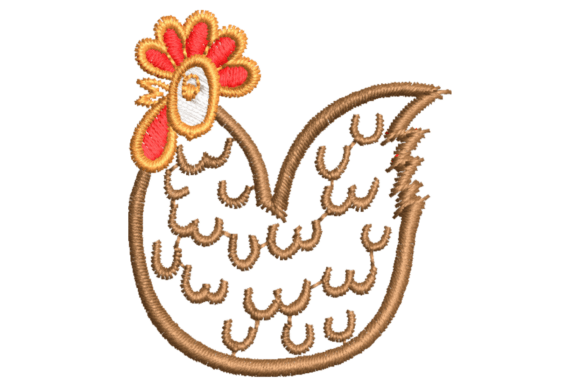
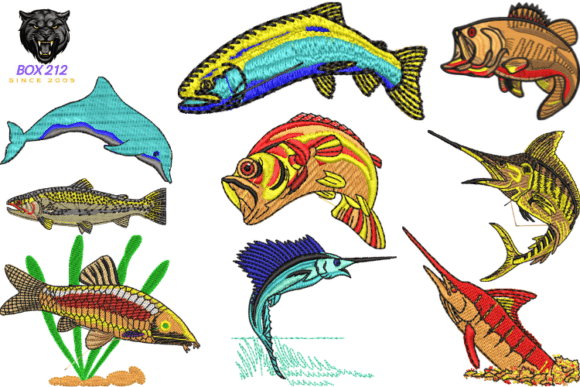
Opening the Fish Embroidery Designs Collection feels like flipping through a well-curated sketchbook—there’s rhythm in the variety. You get cartoon fish with cheerful eyes and bold outlines, stylized koi with flowing fins, minimalist silhouettes for modern tea towels, and delicate marine motifs that whisper “nursery decor.” This isn’t just an Animals category drop—it’s a thoughtful range built for real-world embroidery projects, not just digital browsing. As someone who’s stitched hundreds of client pieces—from boutique aprons to personalized baby blankets—I immediately scanned for versatility, clarity, and stitch integrity. And yes, this collection passes the “tote bag test”: I could see one of those playful fish landing cleanly on a natural canvas tote, holding shape without bleeding or overcrowding.
How It Performs Where It Matters Most
I tested three designs from the Fish Embroidery Designs Collection across five common small business applications: a custom sweatshirt for a coastal café, a set of embroidered kitchen towels for an Etsy shop, a baby onesie for a local gift registry, a woven patch for a craft fair vendor, and a pillow cover for a seaside B&B. The results were consistently strong—but with clear boundaries.
- Custom apparel & sweatshirt embroidery: The medium-sized cartoon fish (approx. 3.5” wide) stitched beautifully on midweight cotton-blend fleece. Satin stitch edges stayed crisp, fill stitch density was even—not too heavy, not too sparse—and the design held its personality after washing. No puckering, no thread breaks.
- Tote bag design & tea towels: The minimalist fish worked especially well here. Light stitch count, open negative space, and clean running-stitch accents made it breathable on textured linen-cotton blends. Customers notice that subtlety—it reads as intentional, not underdeveloped.
- Baby embroidery & nursery decor: The elegant marine fish (think soft curves, no sharp angles) translated gently onto organic cotton onesies. Low stitch density meant no stiffness against delicate skin, and the satin-stitched fins retained sheen without snagging.
- Embroidered patch & cap embroidery: Caution needed here. One highly detailed koi design—with layered fins and tiny scale-like fill sections—began losing definition on a curved cap surface. It’s doable with proper stabilizer and a smaller hoop, but it’s not “drop-in-and-stitch” ready for beginners.
- Holiday embroidery & personalized gifts: These fish aren’t seasonal—but they’re surprisingly versatile for gifting. A koi in navy thread on ivory linen makes a quiet wedding gift; a bright yellow cartoon fish on a child’s backpack says “joy,” not “generic animal.” That emotional resonance matters more than trend-chasing.
Where to Use It Thoughtfully—Not Just Frequently
This collection shines when matched to the right context—but missteps happen fast if you skip prep. Here’s where attention pays off:
- Small hoop sizes (under 4”): Some intricate marine fish push detail limits. Check corners and fin tips before hooping—tiny elements can vanish or distort.
- Textured or stretchy fabric: The cartoon styles hold up better than fine-line versions on knits. Always pair with cutaway stabilizer for sweatshirts or t-shirts.
- Dark fabric: Light-colored thread options are implied by the design’s contrast—but verify thread color contrast in your mockups. A pale blue fish on black denim needs brighter top thread than the same file on oatmeal canvas.
- Dense stitch areas: Two designs include tightly packed fill-stitch scales. On thin fabric or lightweight cotton, these can stiffen the finished product. Consider simplifying or switching to a lighter fill pattern if stitching baby items or delicate apparel.
- Curved surfaces (caps, sleeves, mugs): Avoid the most complex outlines unless you’re confident with re-hooping and digitizing adjustments. Stick to bolder, smoother profiles for reliable commercial embroidery.
What It Adds to Your Handmade Product—Beyond the Stitch
Using the Fish Embroidery Designs Collection doesn’t just add decoration—it adds intention. Customers respond to cohesive visual language. A matching trio of fish (cartoon, koi, silhouette) across a set of kitchen towels signals care and brand consistency. That elevates perceived value, especially for Etsy sellers or small shop owners pricing handmade products at premium rates. It also builds trust: when a customer sees clean satin stitches, balanced density, and thoughtful spacing, they assume the same care went into construction and finishing. And for personalized gifts? That fish isn’t just a motif—it’s a story cue. A koi says “prosperity”; a playful fish says “lightness.” You’re not selling embroidery—you’re selling meaning, anchored in solid design assets.
Practical Designer Notes Before You Stitch
Before committing to a client project or bulk production, run these checks:
- Test the embroidery file on scrap fabric matching your final substrate—especially for baby embroidery or custom apparel.
- Review stitch density visually—not just numerically. Dense fills may need reduced density for lightweight fabrics.
- Confirm hoop size compatibility. If you’re using a 4x4 hoop exclusively, avoid designs labeled “5x7 optimized” without resizing verification.
- Inspect small details: eyes, gills, fin edges. Do they resolve cleanly at your intended size? Zoom in on your embroidery software preview.
- Try black-and-white mockups. Does the design retain character without color cues?
- Compare light and dark fabric backgrounds. Some fish rely on subtle shading—those can flatten on black thread or low-contrast settings.
- Use appropriate stabilizer: tear-away for stable wovens, cutaway for knits or stretchy fabric, and topping for napped or textured surfaces like towels.
- Verify licensing terms before selling finished products or reselling the digital embroidery file. Not all collections permit commercial embroidery or digital resale.
The Fish Embroidery Designs Collection earns its place in my active design library—not because it’s flashy, but because it’s functional, expressive, and quietly professional. Whether you’re building a craft business, launching holiday embroidery bundles, or stitching a single meaningful gift, these designs support your voice instead of competing with it. That’s rare. And worth every stitch.